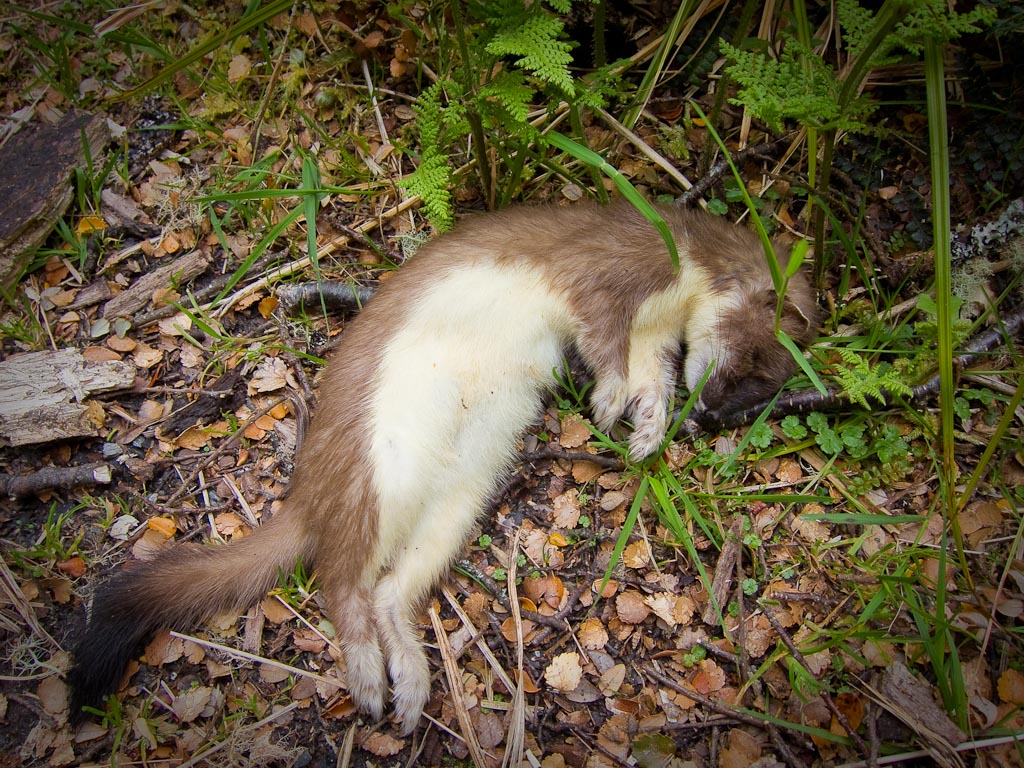
A stoat killed by 1080 in Mt Aspiring National Park two years ago ~ photo southernlight.co.nz New Zealand’s imported predator the stoat, is quite an amazing animal, somewhat beautiful too, until you look at it’s claws and teeth! They have a very fast metabolism, thus needing constant snacks, and they don’t live to a… Continue reading Fatal attraction: ferret stench to fight pests
Blog
An overview of efforts to encourage native bird population numbers between Mt Aspiring and Wanaka, New Zealand.
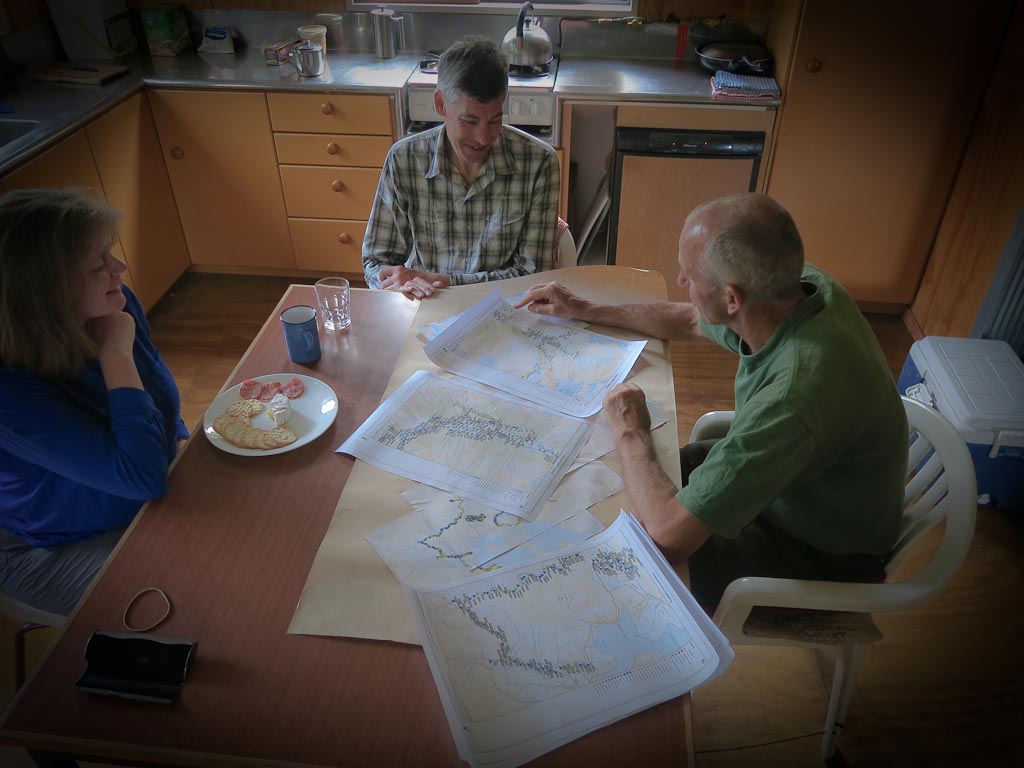
top: Members of the Matukituki Trust planning trapping operations at Aspiring Hut 10 days ago Many of you know that I’ve been involved with many others giving native bird populations a leg up via the Matukituki Trust for the last 4 or so years. Progress has been very steady and positive due a good base plan… Continue reading An overview of efforts to encourage native bird population numbers between Mt Aspiring and Wanaka, New Zealand.
Variations on the New Zealand parakeet / kākāriki
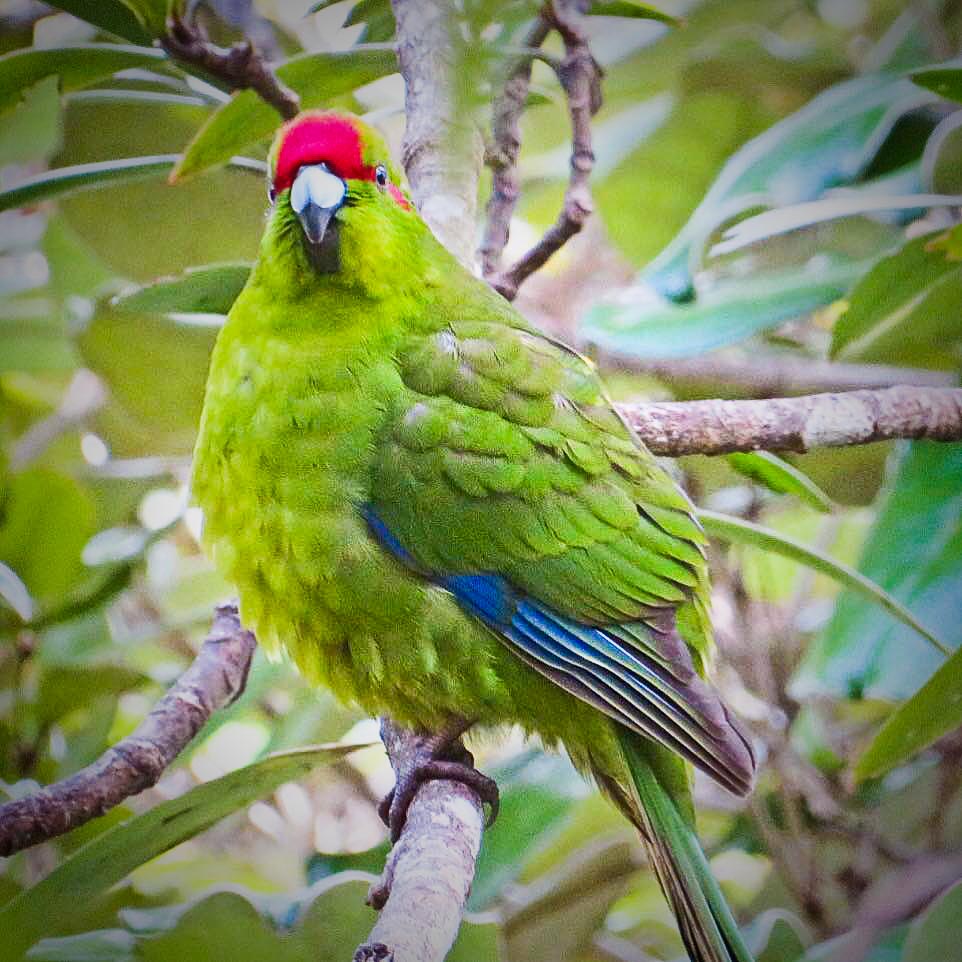
top: Red Crown NZ parakeet on Codfish Island, photo credit Maggie Evans There are five main species of kākāriki, and in a previous post about gains made in native bird populations I really only touched on the return of the yellow-crowned species to the West Matukituki valley in Mt Aspiring National Park. Now thanks to… Continue reading Variations on the New Zealand parakeet / kākāriki
New Zealand’s most well known alpine plant, the Mount Cook lily (which is actually a buttercup)
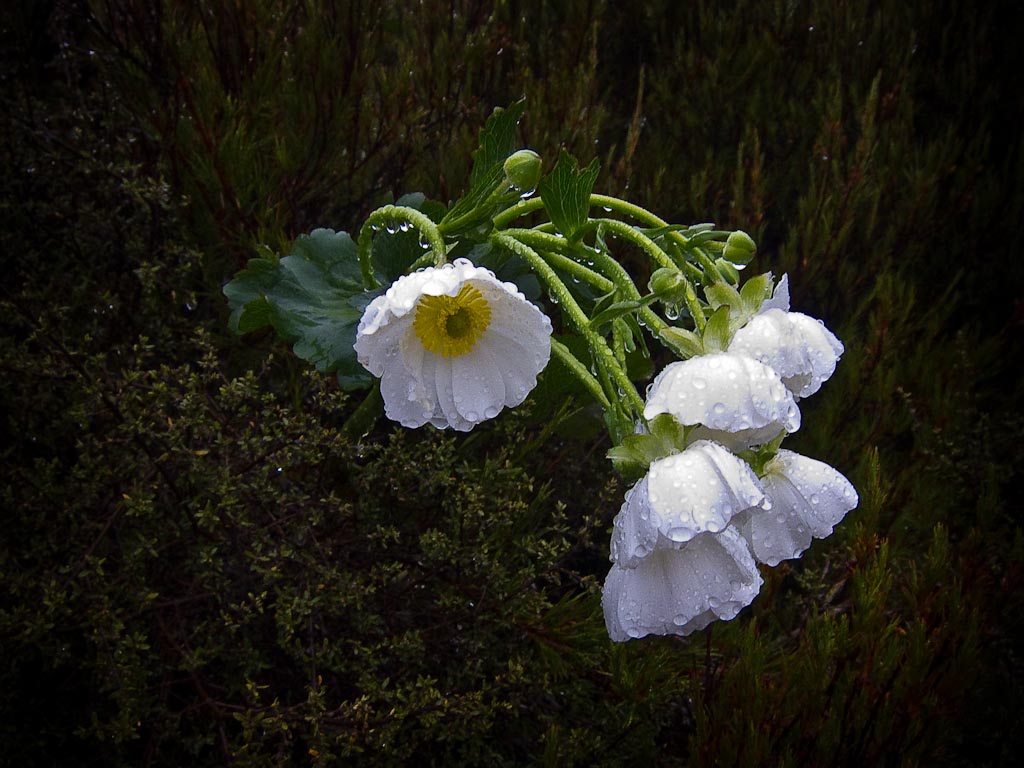
The Mount Cook lily (Ranunculus lyallii) is one of the most popular icons of New Zealand’s Southern Alps. It’s fragile look belies a strength that is to be wondered at, as when flowering in Nov. the blooms literally bend in the usually extreme wind and rain, and do not break. With the onslaught of these… Continue reading New Zealand’s most well known alpine plant, the Mount Cook lily (which is actually a buttercup)
Forest and Bird Kaki Conservation Field Trip
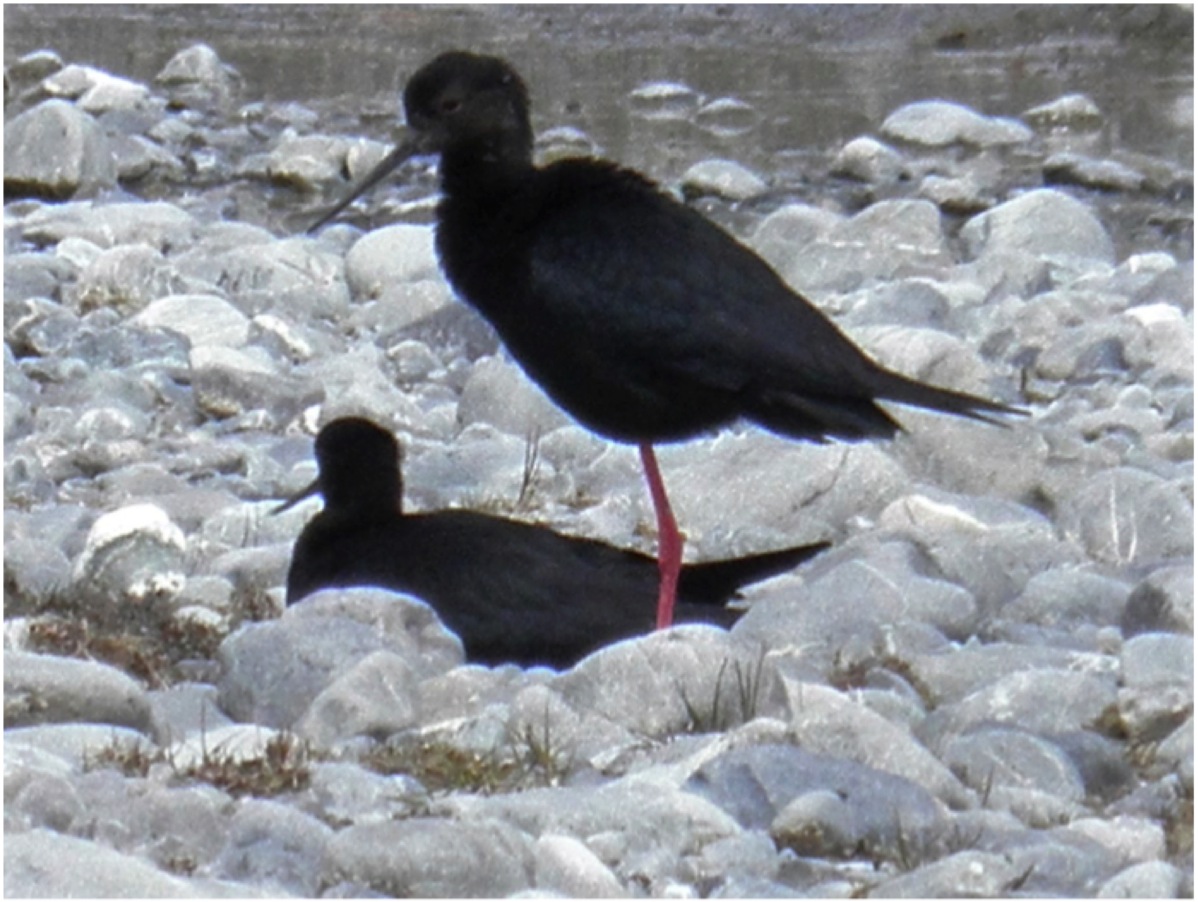
A great day was had by all at the Kaki Recovery Programme in Twizel on Saturday 5 November 2016. A field trip open to all was organised by Rachel Hufton, a Forest and Bird member to help raise the profile of Kaki; the rarest wading bird in the world and to improve awareness of braided… Continue reading Forest and Bird Kaki Conservation Field Trip